
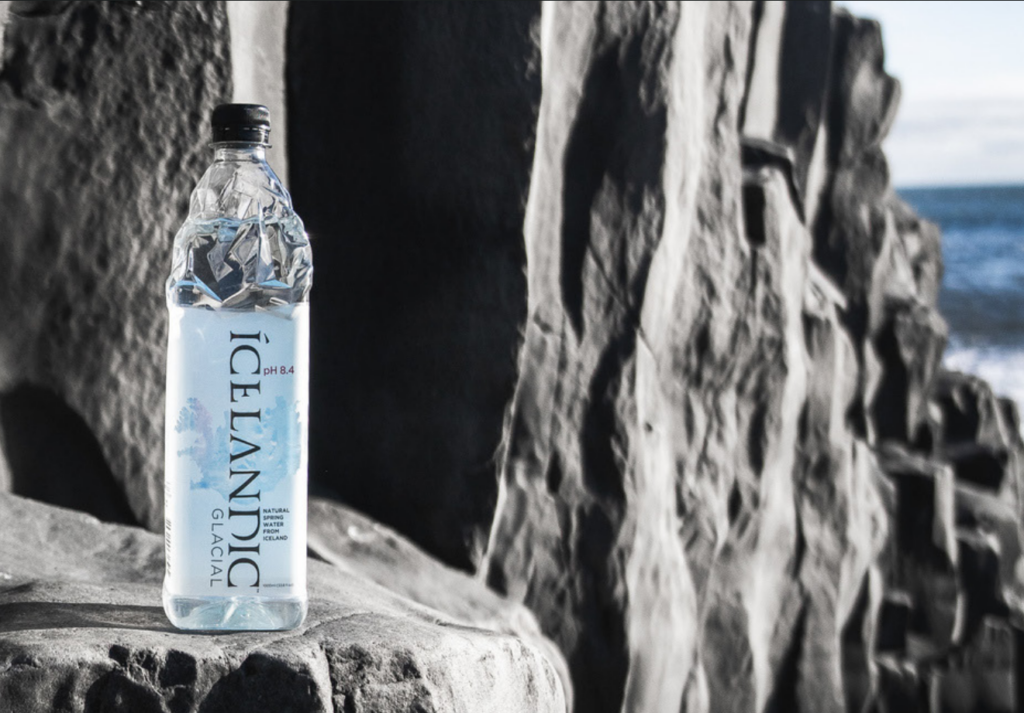
A simple guide to the samples, numbers and notes behind the water in your glass.
Start with the sample
A report on water at its source and a report on the finished product answer different questions. Icelandic Glacial’s NSF documents cover source water quality, including PFAS testing. Eurofins tests the finished product in glass and PET. Separate source assessments examine the Ölfus Spring and its hydrogeology; they are assessments, not product certifications. Kosher certificates have their own category.
Before comparing figures, check the laboratory, sample description and date. A result belongs to the sample named on the page. Looking at the right report is more useful than finding the largest table of numbers.
Read the unit
Total dissolved solids, or TDS, measures material dissolved in water, including minerals. Reports usually express it in milligrams per litre, written mg/L. Icelandic Glacial’s still water is described as having TDS consistently below 79 mg/L. Sparkling has its own stated figure of 69 mg/L. Keep the two products and their reports separate.
TDS helps describe composition. In our still water, low minerality is part of the softness and clean finish you taste. The report gives you a measured figure; your palate completes the picture.
Put pH in context
pH describes whether a sample is acidic or basic. Seven is neutral. The pH 8.4 stated for Icelandic Glacial refers to still water measured at the source. Sparkling water has its own chemistry, so that figure should not be carried across to it. A pH result describes a property of the sample, not a health effect.
Let the report lead
When comparing years, use the same product and type of test. When moving between source water and finished product, remember that each report answers a different question.
We publish the independent reports by category and year, as received, so you can read beyond a headline figure. If a number on our site ever differs from its report, the report takes precedence and we correct the site. That is where clarity begins: with the document itself.
For more information on Icelandic Glacial Visit icelandicglacial.com and follow
@IcelandicGlacial on Instagram using #ThePurestTastingWaterOnEarth